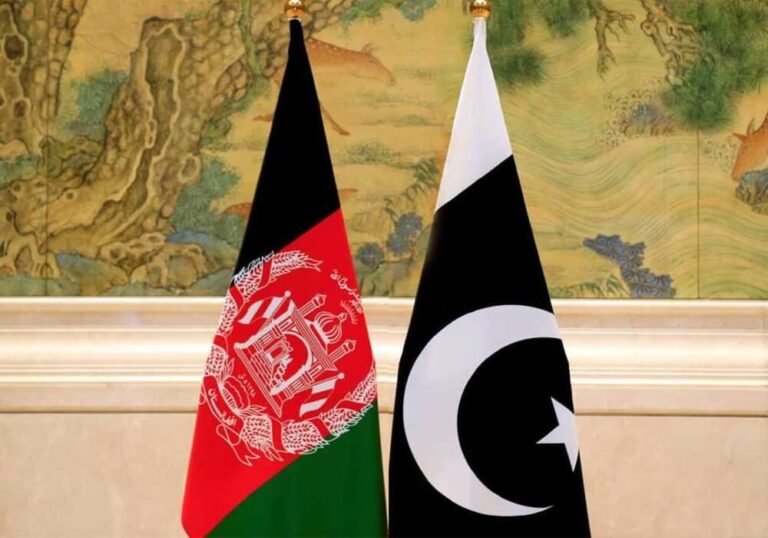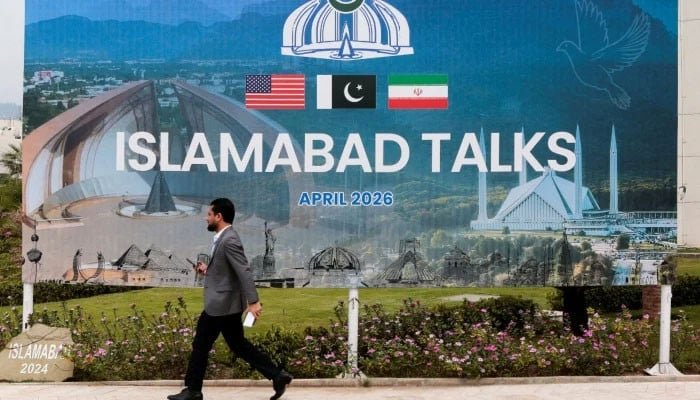
Pakistan has emerged as a pivotal diplomatic facilitator in the US-Iran Islamabad Talks of April 2026, positioning itself at the forefront of evolving ceasefire diplomacy. While initial reports suggested progress toward de-escalation, no formal or sustained ceasefire agreement has been finalized. Instead, Pakistan’s engagement contributed to temporary de-escalation signals and the creation of diplomatic space for continued negotiations.
Leveraging its relations with both Washington and Tehran, Pakistan hosted high-level engagements in Islamabad, supported by key regional and international actors including Saudi Arabia, Türkiye, Egypt, China, and the United Nations. Prime Minister Shehbaz Sharif and Foreign Minister Ishaq Dar led intensive diplomatic outreach combining digital diplomacy, public messaging, and backchannel engagement to advocate dialogue as the only viable pathway to peace. Pakistan’s policy narrative emphasized adherence to the UN Charter, humanitarian considerations, and regional stability.
Pakistan’s ceasefire diplomacy did not produce a definitive truce but played a critical role in facilitating a temporary pause in escalation and initiating direct and indirect engagement between adversaries. Backchannel contacts reportedly involving senior civilian and military leadership helped sustain communication during peak tensions. However, significant disagreements persisted, particularly regarding the scope of de-escalation (including Lebanon) and strategic concerns such as the Strait of Hormuz.
The Islamabad Talks, held on April 11-12, marked a rare instance of direct high-level engagement between U.S. and Iranian representatives. Discussions were described as constructive but complex, extending over long hours and reflecting deep-rooted mistrust. The absence of a comprehensive ceasefire underscores the limitations of current diplomatic efforts and the fragmented nature of contemporary conflict resolution.
Key stakeholders include Pakistan (as facilitator seeking regional stability and energy security), Iran (seeking security guarantees), the United States (focused on regional dominance and allied security), regional powers (supporting de-escalation), China (backing stability initiatives), and international organizations advocating humanitarian relief and adherence to international law.
Read More: Pakistan Proposes Second Round of US-Iran Talks in Islamabad
The unfolding situation presents both opportunity and risk for Pakistan. Its diplomatic role enhances global relevance and positions it as a credible intermediary; however, failure of talks or renewed escalation could undermine this standing. Domestic security risks and regional sensitivities further complicate Pakistan’s position.
Scenario outlook suggests three trajectories: a gradual extension of temporary de-escalation measures with incremental confidence-building (most likely), limited progress toward a structured framework for sustained truce (moderate probability), and breakdown of talks leading to renewed escalation (lower probability).
Policy recommendations emphasize maintaining balanced and consistent messaging, strengthening backchannel diplomacy, ensuring inclusive engagement of all conflict dimensions, and coordinating closely with international partners. Pakistan should continue facilitating dialogue while carefully managing expectations, given the absence of a finalized ceasefire.
In sum, Pakistan’s role reflects a strategic shift from digital diplomacy to ceasefire diplomacy focused not on securing immediate peace agreements, but on managing conflict, preventing escalation, and sustaining dialogue in an increasingly unstable global order.
Background of the Islamabad Talks
In late February 2026, the United States, in coordination with Israel, launched strikes on Iran, triggering a region-wide conflict (including Iranian retaliatory strikes, Houthi attacks, and Hezbollah–Israel hostilities). By early April, thousands were dead and key global oil routes, particularly the Strait of Hormuz, were under threat.
The resulting global shock and economic disruption spurred urgent diplomatic efforts. Pakistan with historic ties to Tehran and renewed engagement with Washington under Prime Minister Mian Muhammad Shehbaz Sharif and Chief of Army Staff General Syed Asim Munir seized the initiative to prevent further escalation.
Beginning in March 2026, Pakistan convened allied Muslim-majority foreign ministers in Riyadh and Islamabad to align positions on de-escalation. In Riyadh (March 19) and Islamabad (March 29), the Foreign Ministers of Pakistan, Saudi Arabia, Türkiye, and Egypt collectively “advocated dialogue and diplomacy as the only viable pathway” to peace.
Pakistani officials also coordinated closely with China: on March 31, Foreign Minister Senator Mohammad Ishaq Dar visited Beijing, where China and Pakistan jointly issued a five-point peace initiative calling for an immediate ceasefire, dialogue, protection of civilians and maritime routes, and adherence to the UN Charter.
Meanwhile, behind-the-scenes Pakistani diplomacy intensified. Chief of Army Staff General Syed Asim Munir and Prime Minister Shehbaz Sharif engaged in continuous backchannel talks with Iran and the United States, relaying proposals and reassurances around the clock.
Read More: Pakistani Envoy Highlights Intensive Diplomacy on US-Iran Situation
According to official briefings, General Munir held extensive overnight engagements with U.S. Vice President James David (JD) Vance, U.S. envoy Steve Witkoff, and Iranian Foreign Minister Hossein Amir-Abdollahian Araghchi to shape a ceasefire framework. This proposed “Islamabad Accord” (a two-stage arrangement involving an immediate pause followed by 15–20 days for a negotiated settlement) was shared with both capitals on April 6.
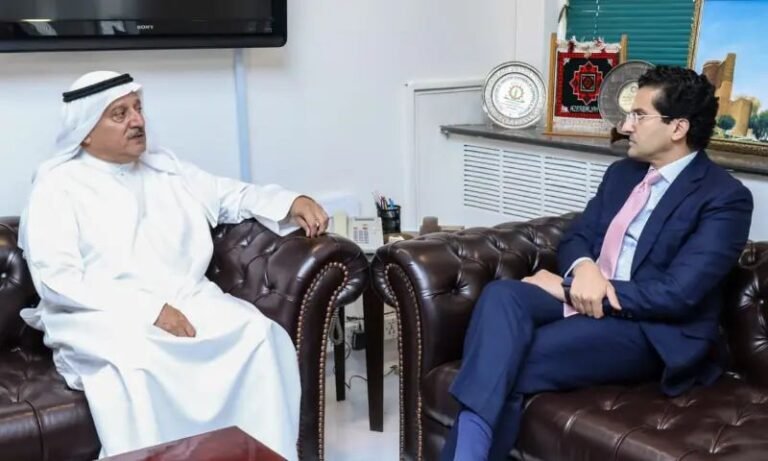
Pakistani leadership also maintained intensive phone diplomacy: Prime Minister Shehbaz Sharif engaged with regional leaders, including the Crown Prince of Kuwait and the President of Iran, while Foreign Minister Ishaq Dar held consultations with counterparts in China, Egypt, Türkiye, and the United Nations Secretary-General. These efforts reflected Islamabad’s strategic objective to prevent regional destabilization and safeguard critical energy flows by pausing the conflict.
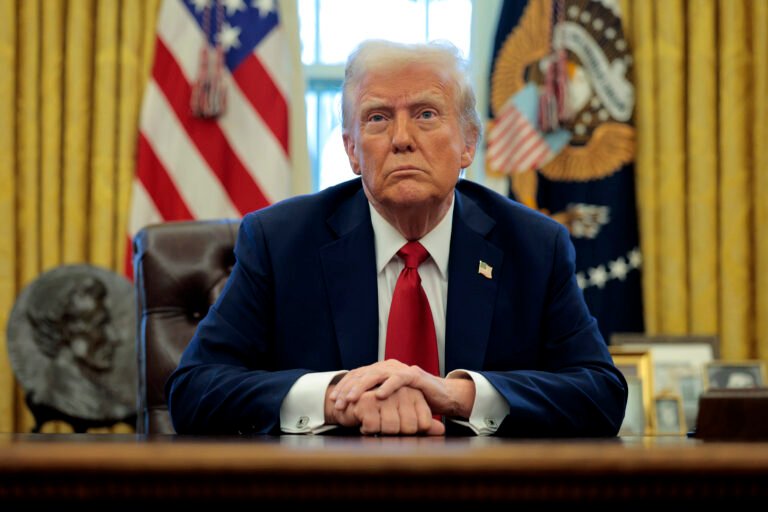
This diplomatic groundwork sets the stage for the Islamabad Talks. On April 7, shortly before a critical U.S. deadline articulated by President Donald J. Trump, the United States and Iran indicated acceptance of a temporary two-week pause in hostilities, widely attributed to Pakistan’s mediation efforts. Prime Minister Shehbaz Sharif publicly welcomed the development and invited both sides to Islamabad for further negotiations.
Subsequently, under heightened security arrangements in Islamabad, U.S. Vice President JD Vance, senior officials including Steve Witkoff and Jared Kushner, and Iran’s Parliamentary Speaker Mohammad Bagher Ghalibaf, along with Foreign Minister Hossein Amir-Abdollahian Araghchi, arrived for direct talks.
Pakistan’s Prime Minister and Foreign Minister hosted and facilitated these engagements, presiding over trilateral sessions held on April 11–12 marking one of the highest-level US-Iran interactions in decades.
Despite extended negotiations and indications of limited progress, the talks concluded without a finalized ceasefire agreement. The temporary pause remained fragile, with underlying disagreements persisting, underscoring both the significance and the limitations of ongoing ceasefire diplomacy.
Diplomatic Timeline
| Date | Event |
| Mar 19, 2026 | Riyadh: FM Dar and FMs of Saudi, Türkiye, Egypt hold first consults on Mideast war. |
| Mar 29, 2026 | Islamabad: Four-way FM meeting (Pak, Saudi, Turkiye, Egypt) urges permanent ceasefire and possible Pakistan-facilitated US-Iran talks. |
| Mar 31, 2026 | Beijing: FM Dar meets China’s FM; China-Pakistan issue 5-point peace plan (ceasefire, talks, shipping lanes, UN Charter). |
| Apr 2, 2026 | Islamabad: Pakistan FO press briefing reports FM meeting outcomes (points on ceasefire, dialogue, unity of Muslim states). |
| Apr 6, 2026 | Proposal: Pakistan exchanges a draft “Islamabad Accord” (immediate truce + 15–20 days for final settlement, opening Strait of Hormuz) with US and Iran. |
| Apr 7, 2026 | Ceasefire: US President Trump announces a two-week ceasefire with Iran (effective immediately) attributed to Pakistan’s intervention; Iran’s FM Araghchi confirms it. |
| Apr 8, 2026 | Digital Diplomacy: PM Sharif tweets a ceasefire announcement (initially tagged “Draft” by mistake); the tag is later removed after scrutiny. |
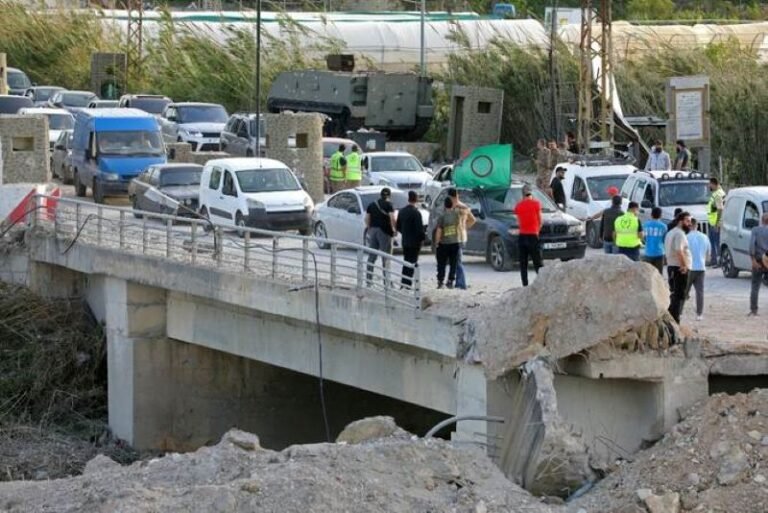
| Apr 9, 2026 | Statements: Pakistan’s FO condemns Israeli strikes on Lebanon (supporting Lebanon); tensions rise over whether Lebanon is included in truce. |
| Apr 10, 2026 | Preparations: Islamabad closes major roads (ghost-town) for security and welcomes incoming delegations. |
| Apr 11, 2026 | Islamabad Talks begin: PM Sharif meets US and Iranian delegations; U.S. VP Vance and Iran’s Ghalibaf start direct negotiations (6+ hours). |
| Apr 12, 2026 | Continuing Talks: Negotiations stretch past midnight; initial talks described as “largely positive” but challenging. Further rounds planned. |
| Apr 12, 2026 | Ceasefire Status: Delegations returned to their respective countries without signing a ceasefire agreement during the Islamabad Talks; negotiations remain ongoing. |
Pakistan’s Digital Diplomacy
Pakistan’s leadership has aggressively used social media and digital channels to shape the peace narrative. Prime Minister Sharif and Foreign Minister Dar posted on X (Twitter) and other platforms to thank partners, push for talks, and appeal for calm. For example, Sharif thanked China, Saudi Arabia, Turkey, Egypt, and Qatar by name “as we proceed to Islamabad Talks,” praising their “invaluable” support for the ceasefire. He noted that all “brotherly countries and the United States demonstrated exceptional strategic foresight in giving peace a chance.”
FM Dar similarly released a video on X stating, “dialogue and diplomacy is the only viable pathway” and that Pakistan would be “honored to host and facilitate meaningful talks”. Such digital messaging has two goals: publicly aligning Pakistan with consensus on peace and crediting its neighbors and partners to cement support. The Foreign Office’s tweets and website transcripts (e.g. press briefings) mirror this strategy by highlighting calls for respect for the UN Charter, humanitarian relief, and unity of the Muslim Ummah.
However, reliance on social media has also risked gaffes. In a widely noted incident, PM Sharif’s X account briefly posted a draft ceasefire appeal addressed to President Trump (asking for a 2-week extension and urging Iran to open the Hormuz Strait) under the label “Draft Pakistan’s PM Message.” The “Draft” tag was later removed, but the slip prompted speculation about message control and even the authorship of the text. Critics noted the awkward wording (“Pakistan’s PM”) and questioned whether Sharif himself had written it. This episode underscored how a single misstep in digital diplomacy can go viral globally and undermine carefully crafted messaging.
Pakistan has also utilized virtual summits and telephone diplomacy extensively. The FO briefed that PM Sharif and FM Dar conducted more than a dozen high-level calls in late March. Sharif spoke with Kuwait’s Crown Prince (who endorsed Pakistan’s mediation efforts), Iran’s President (who “praised” Pakistan’s peace role), and the EU Council President. FM Dar phoned China’s Wang Yi (who thanked Pakistan’s “constructive role”), UN Secretary-General Guterres (who “expressed appreciation” for Pakistan’s efforts), and counterparts in Egypt, Turkey, Qatar, Indonesia, etc.
Read More: Pakistan’s Global Image Improves Sharply After US–Iran Ceasefire: Survey
Through these digital exchanges, Pakistan kept its mediation front very active. It also coordinated Muslim-majority foreign ministers via joint statements (e.g. Pakistan, Egypt, Jordan, Turkey, Saudi, UAE, Indonesia, Qatar released a statement condemning Israeli restrictions on Jerusalem worshippers), reinforcing a narrative of Islamic solidarity behind peace efforts.
In sum, Pakistan’s digital diplomacy combined public-facing social media campaigns with intensive video/phone diplomacy. It praised partners (cementing support), broadcast its ceasefire appeal (Sharif’s tweet), and courted global institutions (Guterres’s praise). The messaging strategy emphasized neutrality, humanitarianism and adherence to international law. Where messaging faltered (the “Draft” tweet), it was quickly corrected and became a cautionary example of the medium’s double-edged nature.
Additionally, the Islamabad Talks were supported by an exceptionally well-managed media visibility and communications plan, with structured facilitation for foreign media, coordinated press coverage, and real-time digital dissemination of proceedings.
The presence and engagement of international journalists amplified the diplomatic narrative, while multiple foreign media outlets and journalists on X publicly praised Islamabad’s hosting arrangements, media coordination, and diplomatic professionalism. This strong media echoes further enhanced Pakistan’s digital diplomacy footprint, with “Islamabad Talks” trending globally and positioning Islamabad as a visible hub of contemporary peace diplomacy.
Pakistan’s Role in Ceasefire Diplomacy
Pakistan’s diplomacy played a pivotal role in enabling the initial US-Iran ceasefire, driven by both humanitarian concerns and strategic imperatives. A wider conflict risked direct spillover into Pakistan’s western borderlands, potential militant resurgence, and severe economic disruption due to dependence on energy flows through the Strait of Hormuz. In this context, Islamabad’s choice of mediation over confrontation reflects a calculated effort to safeguard national and regional stability.
Positioning itself as a “diplomatic hinge,” Pakistan leveraged its working relationships with key actors to sustain dialogue at critical moments. Through continuous back-channel engagement and high-level coordination between civilian and military leadership, it helped prevent negotiation breakdowns. Rather than allowing unmet demands to derail talks, Pakistani mediators consistently pushed for extensions and de-escalation, effectively keeping diplomatic channels open. This persistence drew international acknowledgment and reinforced Pakistan’s image as a constructive intermediary.
However, the mediation process also exposed structural tensions within the ceasefire framework. Pakistan’s insistence on including Lebanon aligned with a broader regional understanding of the conflict, while opposing positions from Israel and the United States underscored the fragmented nature of the crisis. Managing such divergences required Pakistan to maintain a careful balance between neutrality and principled positioning an inherently difficult task in a polarized geopolitical environment.
Beyond political facilitation, Pakistan contributed to practical confidence-building measures, including securing safe maritime passage through the Strait of Hormuz. Such outcomes demonstrate the ability to translate diplomatic engagement into tangible de-escalatory steps, particularly in protecting economic and logistical interests.
Pakistan’s approach was further marked by multi-layered coordination engaging regional allies, major powers, and multilateral institutions simultaneously. Its diplomacy remained largely understated and process-oriented, prioritizing sustained engagement over visibility. This quiet but persistent strategy proved effective in maintaining momentum when negotiations were most vulnerable to collapse.
Analysis: Pakistan’s intervention helped arrest a potential escalation at a critical juncture, creating space for dialogue rather than delivering a final resolution. This reflects an emerging shift in its international role from a reactive state to a middle power capable of bridging adversaries. However, the fragility of the ceasefire highlights the limits of such mediation. Pakistan’s achievement lies not in resolving the conflict, but in delaying escalation and enabling continued diplomatic engagement in an otherwise volatile environment.
Stakeholders and Motivations
| Stakeholder | Role / Interests | Motivation/Desired Outcome |
| Pakistan (Host/Mediator) | Acts as neutral broker; mediator with ties to US & Iran | Stability on western frontier (avoid Iran collapse); secure energy imports via Strait; enhance global standing. |
| Iran (Belligerent) | War party (supporter of proxy Hezbollah); seeking end to war | A credible ceasefire without losing military gains; security guarantees (no U.S./Israeli return to attack); resume nuclear program/exit sanctions. |
| United States (Belligerent) | War party (with Israel); co-commander of offensive | Stop Iran’s nuclear ambitions; protect Israel and regional allies; reopen Strait of Hormuz (oil flow); demonstrate U.S. leadership on global security. |
| Saudi Arabia/Türkiye/Egypt | Regional Sunni powers; involved in preparatory talks | Contain conflict; maintain Gulf oil stability; uphold Sunni leadership; support mediated solution to prevent spillover. |
| China | Strategic partner of Pakistan and Iran’s ally (albeit non-belligerent) | Regional stability; protect economic interests (oil, trade routes); bolster China-Pakistan friendship; expand diplomatic influence by backing peace plan. |
| United Nations / Guterres | Global security and humanitarian mandate | Cease hostilities to protect civilians; facilitate UN-led peace framework; uphold international law. |
| OIC / Muslim States | Collective voice of Muslim-majority countries; engaged via Pakistan’s initiatives | Prevent broader Muslim world conflict; endorse ceasefire (Muslim solidarity); counter extremism. |
| (Other Powers) Russia, EU, etc. | Secondary interest: Russia sells arms (not directly in war); EU concerned about energy | Prefer de-escalation; avoid refugee/energy crisis; maintain diplomatic channels with all. |
*(This table reflects publicly stated interests. For example, Pakistan borders Iran and faces insurgency in Baluchistan, so it “does not want anarchy in Iran”. It also depends on Hormuz oil. China explicitly supports Pakistan’s peace role. Saudi/Turkey/Egypt joined Pakistan’s consults to push a diplomatic solution.)
Policy Implications and Risks
Pakistan’s diplomatic prominence presents both strategic opportunities and significant risks. Successful mediation enhances its international credibility, strengthens ties with major powers, and supports economic stability, particularly in energy security.
However, this visibility comes with high stakes; any breakdown risks undermining Pakistan’s credibility and portraying it as overcommitted yet unable to deliver. Domestically, renewed conflict could trigger border instability, fuel militancy, and intensify economic pressures.
Balancing competing regional interests remains a core challenge. Pakistan must navigate its relationships with Iran, Gulf states, and Western partners without appearing partisan. Its positioning on sensitive issues, including Lebanon and Israel, highlights the difficulty of maintaining neutrality in a polarized environment, with risks of both external diplomatic fallout and internal political backlash.
Security concerns further complicate the landscape. The need for heightened protection during diplomatic engagements underscores the persistent threat of disruption by non-state actors, any of which could derail fragile negotiations.
A broader implication is that Pakistan’s hybrid mediation strategy combining digital diplomacy with quiet back-channel engagement demonstrates an evolving model of middle-power mediation. However, this strategy requires coherence and discipline. Inconsistent messaging, particularly across digital platforms, can quickly undermine diplomatic credibility, reinforcing the importance of alignment between public communication and strategic intent.
Read More: Islamabad Peace Talks: A Fragile Beginning to a Long-Awaited Dialogue
Scenarios (Short-Medium Term)
| Scenario | Probability | Key Outlook |
| Best-Case | 20–25% | Temporary pause evolves into extended de-escalation with a structured roadmap on key issues (Hormuz, humanitarian access, regional fronts). Pakistan facilitates follow-up talks, strengthening its mediator role and reducing tensions. |
| Most-Likely | 60–65% | Fragile pause continues without a formal ceasefire. Negotiations remain slow with intermittent violations. Pakistan sustains backchannel engagement, preventing major escalation but achieving only incremental progress. |
| Worst-Case | 10–15% | Talks collapse and the pause breaks down. Conflict resumes across multiple fronts (including Israel–Lebanon and Hormuz), undermining Pakistan’s diplomatic role and increasing regional instability. |
*(Please note that above Probabilities are indicative and reflect current analyst judgments. The high likelihood given to the protracted scenario reflects the deep divisions observed in public statements.)
Recommendations and Conclusion
For Pakistan: Pakistan should sustain its role as an even-handed mediator by combining discreet back-channel diplomacy with disciplined public messaging. Strong coordination in leadership communication is essential to avoid mixed signals and protect credibility. While maintaining principled positions, it should continue parallel engagement through regional intermediaries to keep all sides involved. Leveraging military channels and partnerships, particularly with China, can reinforce trust and mediation capacity. Domestically, preparedness for security risks and managing public expectations through realistic framing of outcomes remain critical.
For Foreign Partners: External actors should recognize Pakistan as a credible facilitation channel and avoid attributing negotiation deadlocks solely to its role. Engagement through multilateral frameworks, coordinated messaging, and support for humanitarian priorities can strengthen the process. Intelligence-sharing and continued public backing from key partners will further enhance Pakistan’s leverage.
Pakistan’s mediation represents a strategic diplomatic asset in managing complex conflicts. While outcomes remain fragile, its role in sustaining dialogue and preventing escalation is significant. With coordinated international support and careful management, Pakistan’s efforts can preserve critical space for continued negotiation and future resolution.

Aroosa Salahuddin
Aroosa Salahuddin is a Digital Diplomacy Expert and former Managing Editor of The Diplomatic Insight Magazine. She has extensive experience in media, public relations, project management, and strategic communications. With an MPhil in Strategic Studies and a specialization in Pakistan’s digital diplomacy, Aroosa has worked with influential national and international organizations. Her expertise spans advocacy, crisis communication, digital strategy, and stakeholder engagement.